If you’re running a line for plastics, pigments, or powder coatings, you’ve felt that specific frustration when a batch comes out wrong. Maybe it’s a humid Tuesday, or the raw materials are acting up, but suddenly you’re looking at streaks in your plastic or shade variations that just won’t pass QC. When those deadlines are looming, close enough color isn’t an option; it’s an expensive mistake.
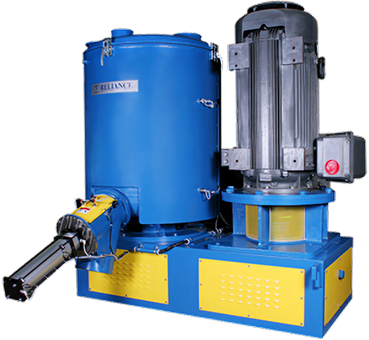
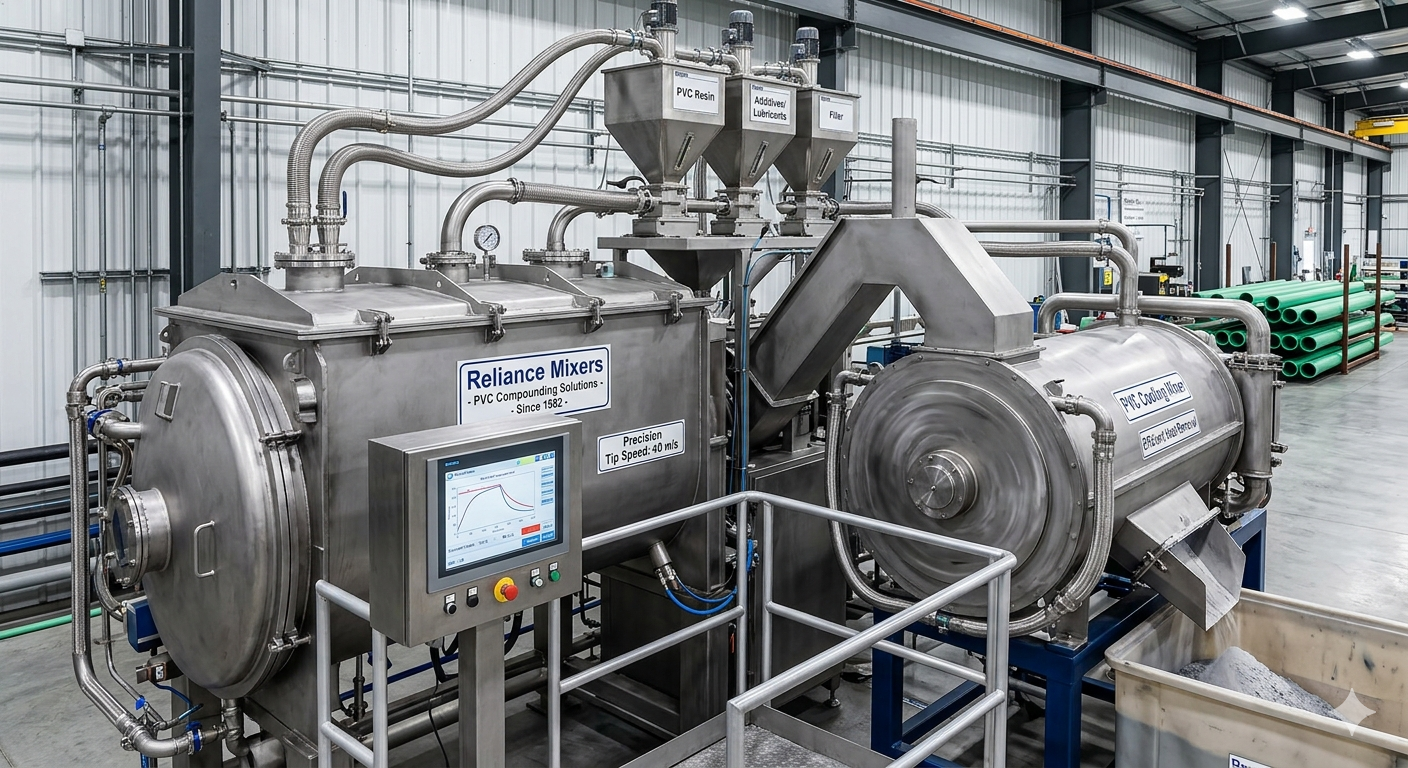
Mixing isn’t just about spinning a blade; it’s about solving the physics of clumping. Whether you’re dealing with tiger stripping in compounds or a gritty finish in a powder coat, the problem almost always traces back to the blend. This is where an industrial high intensity mixer for pigments shifts from being nice to have to being the backbone of your shop. It’s the difference between a repeatable, 5-star product and a pile of scrap.
Why Color Dispersion Is a Critical Challenge in Manufacturing
Undoubtedly, pigments are a pain. They don’t naturally want to spread out; they want to stick together in stubborn clusters called agglomerates. Traditional mixers, like your old ribbon blenders, usually just toss these clumps around without actually breaking them.
In a high intensity mixer improve color dispersion in plastics, you aren’t just stirring. You’re using high-velocity shear and frictional heat to force those pigments to wet out. It’s a mechanical process that wraps the resin around every single pigment particle. Without that intensity, you’re just gambling on batch consistency.
How High-Intensity Mixers Improve Color Dispersion in Plastics
When you use a high-intensity mixer, you’re hitting three major wins:
- Speed: You get a full wet-out in a fraction of the time.
- Uniformity: The color is locked in through the entire polymer matrix.
- Cost: You stop over-compensating with expensive additives because your base dispersion is actually doing its job.
For the powder coating crowd, the stakes are even higher. High-efficiency powder coating mixers ensure your resins and curing agents are perfectly homogenous. If the mix is off at the dry-blend stage, your finish will never be smooth, and your electrostatic charge will be a mess. You want every grain of powder to have the same DNA before it hits the extruder.
High-Efficiency Powder Coating Mixers: Better Finish, Better Flow
Getting a powder coating formula right is a balancing act between resins, pigments, and various additives. If that blend isn’t spot-on, everything downstream starts to fall apart. You end up dealing with poor electrostatic charging, patchy coating thickness, or those annoying surface defects that ruin a finish.
This is where high-efficiency powder coating mixers change the game. They provide:
- Total Uniformity: Every bit of dry powder is perfectly distributed.
- Better Flow: The material actually behaves during application.
- Reliable Finishes: You get the same color and texture every single time.
- Fewer Rejects: Less time spent staring at seconds and more time shipping product.
By locking in a truly homogenous mix before the extrusion phase even starts, the result is a noticeably smoother coating and a product that actually stands up to the elements.
A Quick Reality Check: The 30% Improvement
A mid-sized production facility recently hit a wall with constant shade mismatches and skyrocketing rejection rates. They were stuck in a cycle of tweak, re-mix, and pray. After they integrated an industrial high intensity mixer for pigments, the math changed overnight.
- Batch time dropped by 30%.
- Rejection rates plummeted.
- The finish was noticeably smoother. They weren’t just working faster; they were working better because they finally had a repeatable process.
Why Customers Choose Reliance Mixers
There’s plenty of equipment out there, but at Reliance Mixers, they don’t just build tanks; they engineer solutions for specific material headaches. People choose us because our gear is built for the 24/7 grind. They know that if your mixer goes down, your whole line stops.
The industrial high intensity mixer for pigments features precision-balanced blades designed for maximum shear and advanced cooling jackets to protect heat-sensitive formulas. They focus on the total cost of ownership, meaning they build the mixers to be easy to clean, hard to break, and simple to maintain.
The Final Word
In today’s market, you can’t afford to be inconsistent. Whether you’re making masterbatches or high-end automotive coatings, the quality of your mix dictates the quality of your brand. A high intensity mixer improves color dispersion in plastics and powder coatings, and is an investment that pays for itself in reduced waste and faster turnarounds.
Stop fighting with your pigments. Visit Reliance Mixers today and let’s talk about how to get your production line running at its full potential.