In rotational molding and plastic processing, consistency starts long before the material enters the mold. The way powders, additives, and resins are prepared during mixing directly impacts product strength, surface finish, and overall performance.
A mismatch between:
- Material behavior and machine design
- Production goals and equipment capability
- Process requirements and system flexibility
That’s why many manufacturers eventually reach a point where standard equipment stops delivering predictable results. Not because it fails, but because it was never designed for that specific process in the first place.
This is where customized industrial mixers shift the conversation from “what the machine can do” to “what the process actually needs.”
Why Standard Mixing Systems Often Fall Short
Off-the-shelf mixers are built for general-purpose applications. They’re designed to handle a range of materials, but not necessarily optimized for any one of them.
In industries like rotational molding, plastics, or specialty compounds, this creates challenges such as:
- Uneven blending of additives and base materials
- Batch-to-batch variation
- Inefficient mixing cycles
- Material degradation due to improper shear or heat
These issues aren’t always obvious at first. They show up gradually in the form of rework, inconsistent output, or process inefficiencies.
As production scales or formulations evolve, the limitations of generic systems become more apparent.
That’s when manufacturers start exploring customized mixers built around their specific process requirements.
Why Rotational Molding Requires Specialized Mixing Solutions
Rotational molding presents unique challenges when it comes to material preparation. Unlike other processes, it relies heavily on uniform powder characteristics to ensure even coating and consistent wall thickness during molding.
Inconsistent mixing can lead to:
- Uneven material distribution inside molds
- Surface defects in finished products
- Variations in structural integrity
- Inefficient mold rotation performance
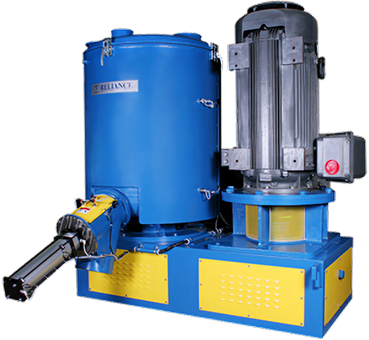
This is why many manufacturers in this space rely on customized industrial mixers designed specifically for rotomolding applications. These systems ensure that powders are blended uniformly, maintaining the consistency required for high-quality molded outputs.
What Makes Customized Industrial Mixers Different
Unlike standard machines, customized industrial mixers are engineered based on how materials behave during mixing, not just on capacity or speed.
Every key element is tailored, including:
- Blade configuration and geometry
- Mixing intensity and speed control
- Vessel design and material flow dynamics
- Cooling or heating integration
- Discharge mechanisms
This level of customization ensures that the mixer aligns with the formulation, rather than forcing the formulation to adapt to the mixer.
For industries dealing with sensitive materials or complex blends, this distinction is critical.
Engineering for Material Behavior, Not Just Throughput
A true industrial mixing solutions manufacturer doesn’t just deliver equipment; they analyze how materials interact under different conditions. In rotational molding applications, this becomes even more critical, as powder uniformity directly affects how material coats the mold surface during heating and rotation. Even slight inconsistencies in mixing can translate into visible product defects.
For example:
- Some materials require high shear for proper dispersion
- Others need gentle blending to maintain structure
- Certain formulations are sensitive to temperature rise
- Some processes demand precise particle distribution
Customized systems are designed to handle these nuances.
This approach allows manufacturers to:
- Achieve consistent mixing results across batches
- Reduce processing time without compromising quality
- Maintain material integrity during high-intensity operations
- Improve downstream processing performance
Rather than relying on trial and error, manufacturers gain a more predictable and controlled mixing environment.
The Role of High-Quality Industrial Mixer Machines
Customization alone isn’t enough; execution matters.
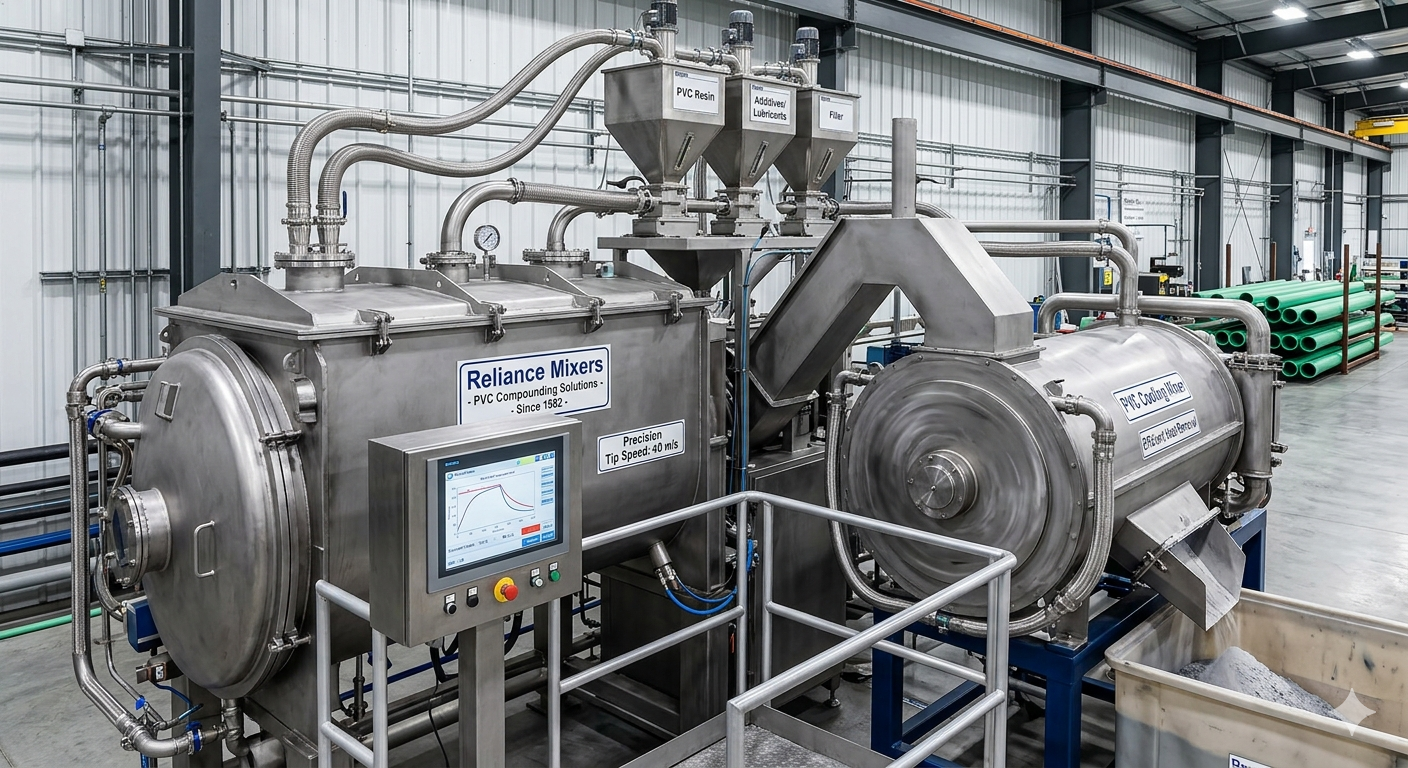
High-Quality Industrial Mixers are built to deliver consistent performance under demanding production conditions. This includes:
- Robust construction for long-term durability
- Precision control systems for repeatable operation
- Efficient energy use during high-intensity mixing
- Minimal maintenance requirements
When quality engineering meets process-specific design, the result is a system that performs reliably not just in ideal conditions, but in real production environments.
Where Customized Mixers Create the Most Impact
Industries with complex formulations or strict quality requirements benefit the most from customized industrial mixers.
This includes applications such as:
- Rotational molding
- Plastic compounding
- Powder processing
- Specialty material blending
In these environments, even small inconsistencies can affect final product performance. Customized systems help eliminate these variables by ensuring uniformity from the start.
They also support scalability, allowing manufacturers to move from R&D to full production without compromising consistency.
Aligning Mixing Solutions with Production Goals
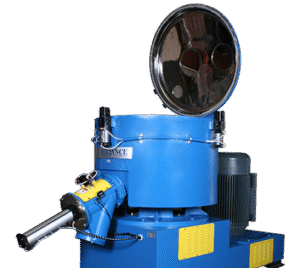
Reliance Mixers brings deep application expertise in designing customized industrial mixers for demanding processes like rotational molding. Their systems are engineered to deliver consistent powder blending, controlled mixing intensity, and reliable batch performance, all of which are critical for rotomolding operations.
By combining process, understanding, and robust equipment design, they help manufacturers improve material consistency before it even reaches the mold, ultimately enhancing product quality and production efficiency.
Explore more about their solutions here: https://www.reliancemixers.com/rotational-molding-industry/
Moving Beyond One-Size-Fits-All Mixing
As manufacturing processes become more specialized, the limitations of standard equipment become harder to ignore.
Customized mixers represent a shift toward precision, where equipment is designed around the process, not the other way around.
This approach helps manufacturers:
- Reduce variability in production
- Improve efficiency and throughput
- Adapt to evolving material requirements
- Maintain consistent quality at scale
In a competitive production environment, that level of control is no longer optional — it’s a necessity.
Final Thoughts
Mixing is more than just a step in the process. It sets the foundation for everything that follows. This is especially important in rotational molding, where material consistency directly defines the final product outcome.
By investing in customized industrial mixers, manufacturers can move beyond reactive problem-solving and toward a more stable, predictable production system.
With the support of a knowledgeable industrial mixing solutions manufacturer, businesses gain not just equipment but a solution tailored to their exact needs, delivering both performance and long-term reliability.